The Benefits of Gardening for Kids: Growing More Than Plants
- Base Kids Club

- Sep 6, 2025
- 2 min read
At Base Kids Club, we believe every seed planted is a lesson in discovery. Gardening is a hands-on, transformative activity that nurtures growth—both in young minds and in tiny green shoots. When children dig into the soil, water seeds, and watch their efforts flourish, they're cultivating far more than just plants. Here’s how gardening helps our young learners blossom inside and out.
1. Nurturing Responsibility and Patience
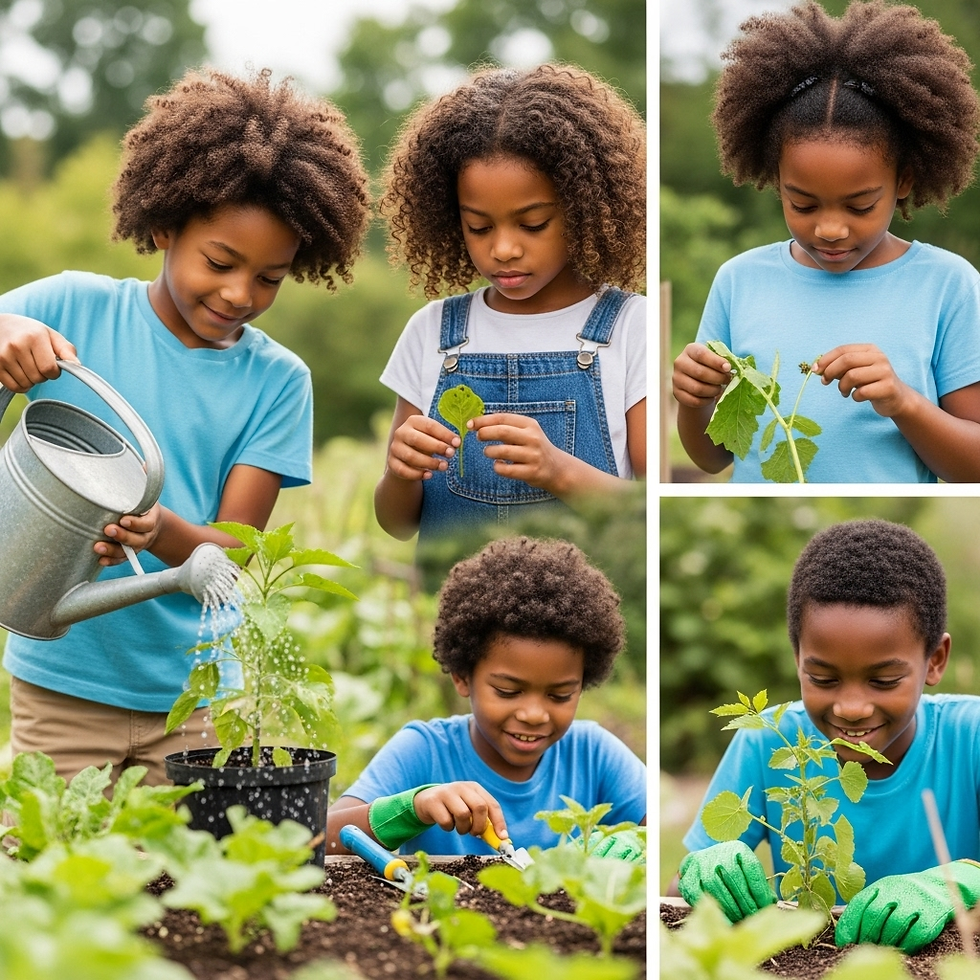
Gardening teaches children about responsibility—from watering seedlings daily to checking for pests, each task fosters commitment and care. As plants grow slowly, kids learn patience and the satisfaction of seeing their efforts rewarded over time. These lessons extend beyond the garden and into daily life.
2. Physical Health and Outdoor Play

Gardening is a low-impact workout perfect for young bodies. Digging, watering, pulling weeds, and harvesting involve gross motor skills and improve strength, coordination, and flexibility. Plus, time spent outdoors provides healthy exposure to fresh air and sunshine—boosting mood and vitamin D naturally.
3. Stimulating Scientific Curiosity

Every sprout invites a science lesson. Through observation, children learn about plant parts—roots, stems, leaves—as well as ecosystems, plant life cycles, weather patterns, and soil health. Recording plant growth creates hands-on data science experiences, while experimenting with watering schedules or light levels introduces playful STEM exploration.
4. Encouraging Emotional Growth & Sensory Exploration

The sensory richness of gardening—the scent of soil, the feel of leaves, the joy of discovery—supports children’s emotional and sensory development. Watching a seed become a flower or vegetable instills pride, confidence, and wonder. Plus, gardening can be soothing and stress-relieving, acting as a peaceful, meditative experience for curious minds.
5. Cultivating Healthy Eating Habits
When kids grow their own fruits and veggies, they’re more excited to try them! From tomatoes to herbs, beans to berries, gardening inspires an intrinsic connection to food. This helps with nutritional understanding and promotes healthier eating choices, laying a foundation for lifelong habits.
6. Building Social Skills and Teamwork
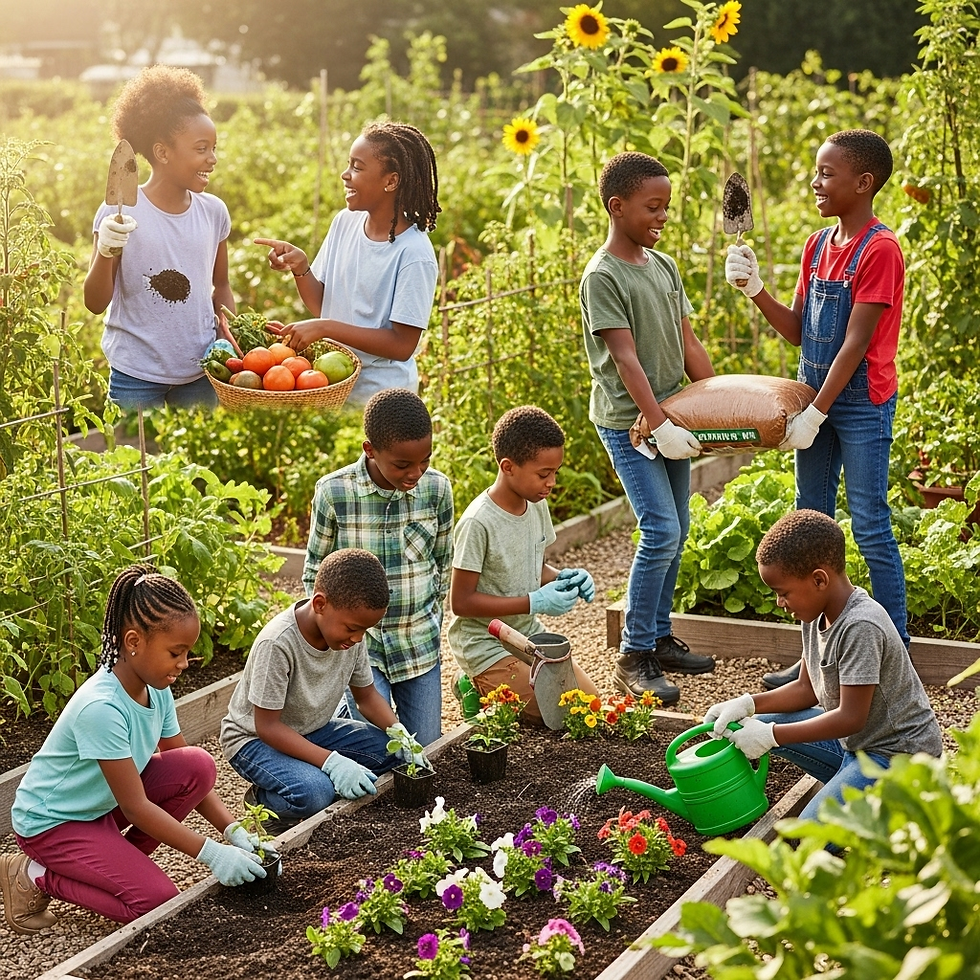
Group gardening builds cooperation and shared responsibility. Whether planting side-by-side, trading watering duties, or celebrating a joint harvest, children develop teamwork, communication, and leadership skills. Gardening creates natural opportunities for sharing, negotiating, and communal pride.
7. Practical Tips for Parents to Garden at Home
Start small: Use container gardens, window boxes, or a mini raised bed to make growing manageable.
Choose fast-growing plants: Beans, radishes, calendula, or herbs bring quick rewards to keep kids excited.
Let kids take the lead: From planting seeds to choosing watering days or journaling, hands-on ownership builds empowerment.
Celebrate successes: Record growth with photos, plant a “garden growth chart,” or enjoy a family snack made from their harvest.
Make it multi-sensory: Use fragrant herbs, colorful blooms, and veggies with interesting textures to enrich the experience.
In Summary
At Base Kids Club, gardening isn’t just about sowing seeds—it’s about nurturing creativity, responsibility, curiosity, connection, and healthy habits. When children garden, they cultivate emotional resilience, scientific understanding, physical vitality, and social grace. Let’s create your little gardener’s first plot, where every bloom becomes a story in growth.


Comments